A single-ply flat roof is covered in one factory-made sheet of membrane, rolled out over the roof, fixed down and sealed at the joins. Fatra is one of the membrane makers whose PVC systems are widely used for this, on everything from dormer roofs and extensions to shop canopies and commercial buildings. This guide explains how a single-ply roof is built, where it suits, and what to ask before you choose it.
What is a single-ply flat roof?
Unlike felt, which is built up in layers, a single-ply roof uses one flexible membrane. The most common types are PVC and TPO. The sheets are supplied in rolls, laid over a prepared deck, and the overlaps are joined with hot air so the seams become part of the membrane. The result is a continuous, waterproof surface with few places for water to get in.
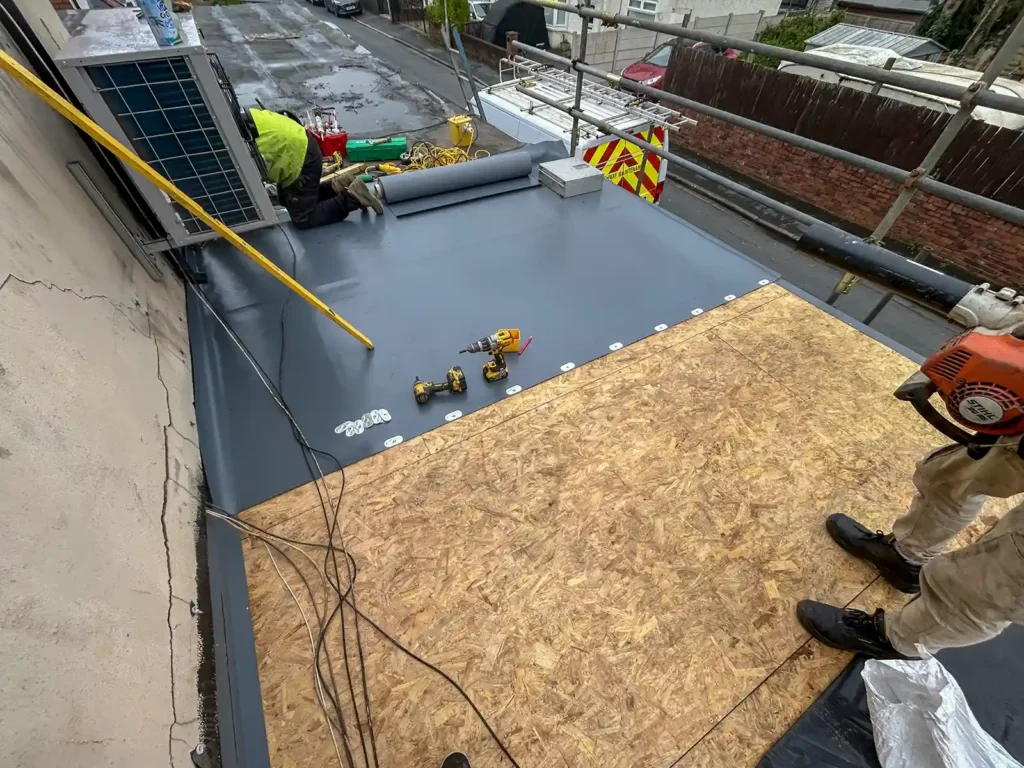
How a Fatra PVC membrane roof is fitted
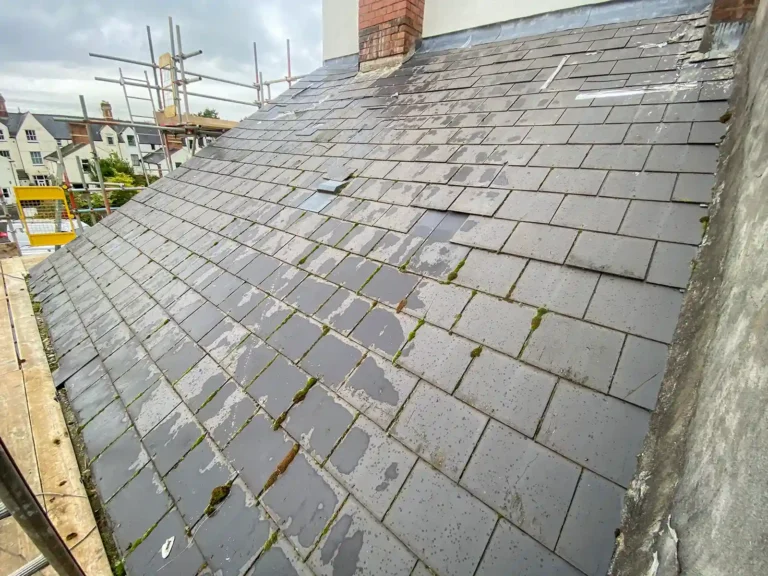
- Strip and inspect: the old covering is removed and the deck checked for rot or damage
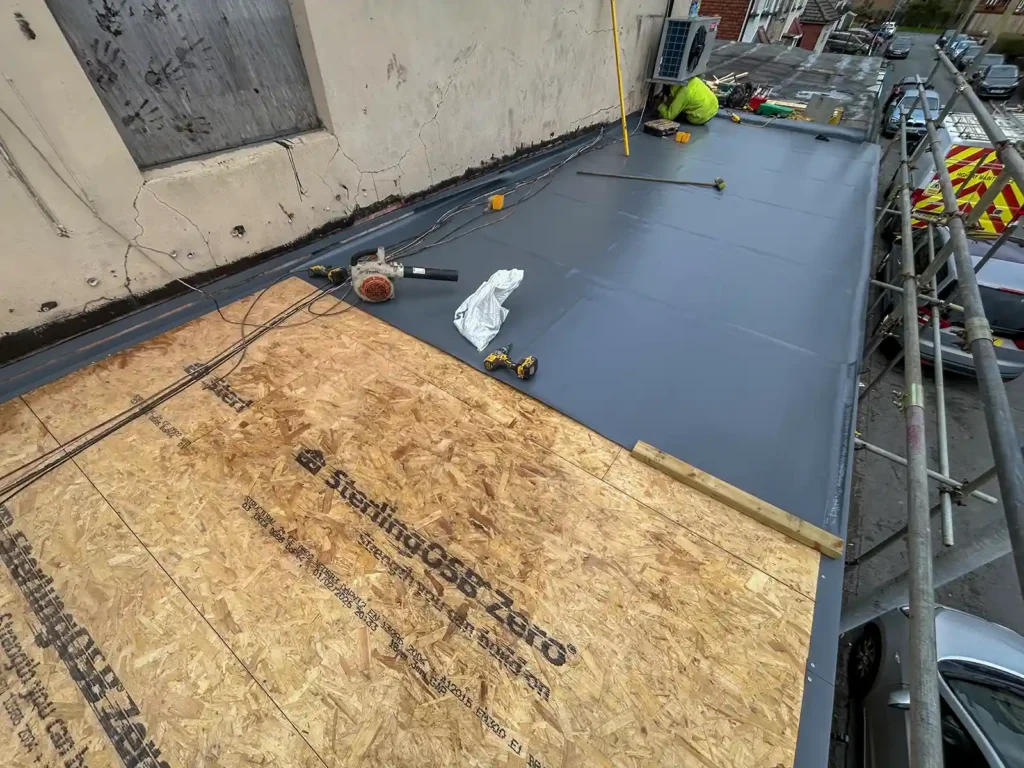
- Prepare the deck: rotten boards are replaced, and a new OSB deck is laid with the correct falls so water drains away
- Insulation and layers: insulation and any separating layers are laid as the design requires
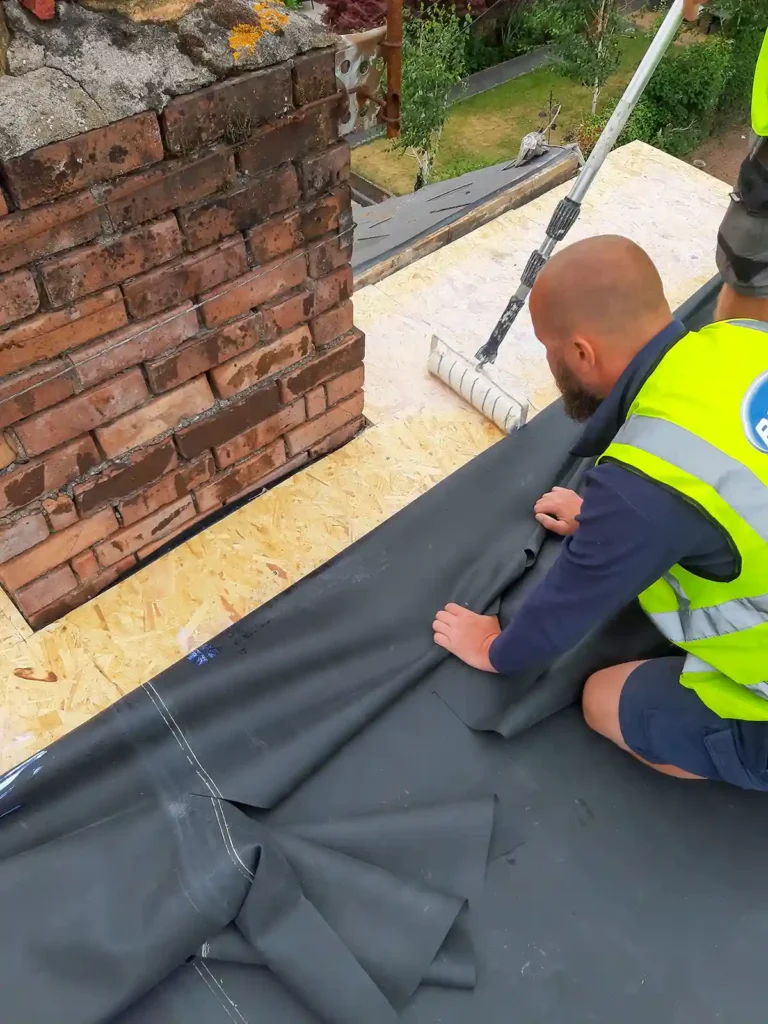
- Fix the membrane: the sheet is laid and either mechanically fixed or bonded, depending on the system
- Weld the seams: overlaps are joined with a hot-air welder and checked
- Finish the details: edge trims, upstands, outlets and rooflights are detailed with matching accessories
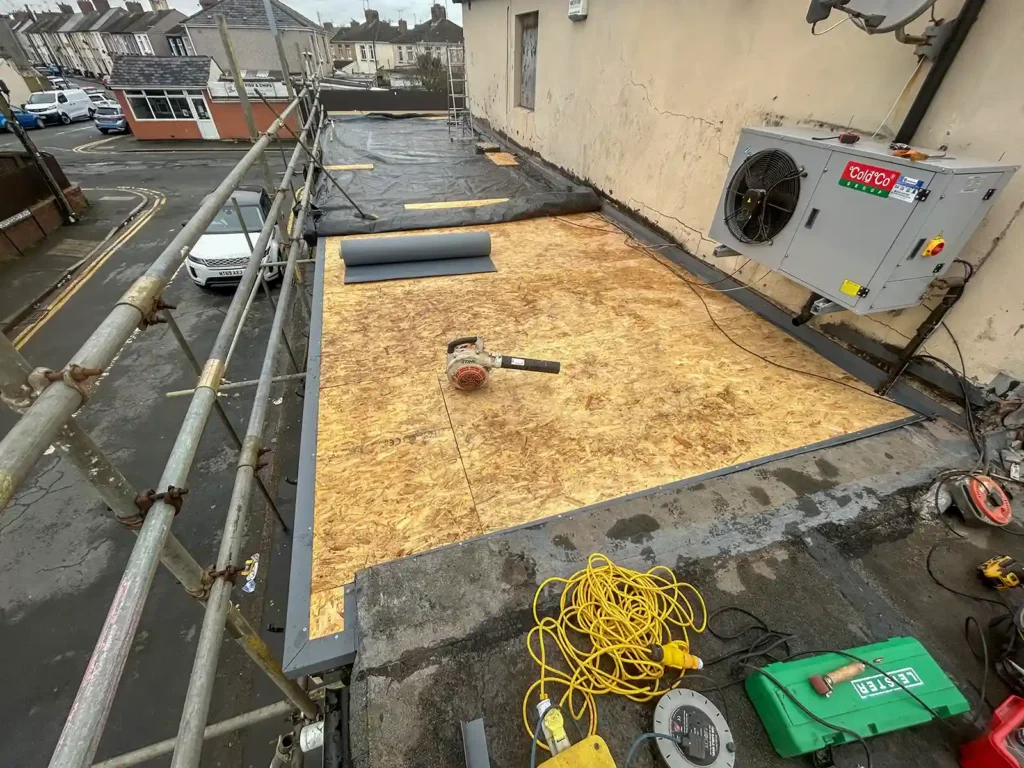
Where single-ply works best
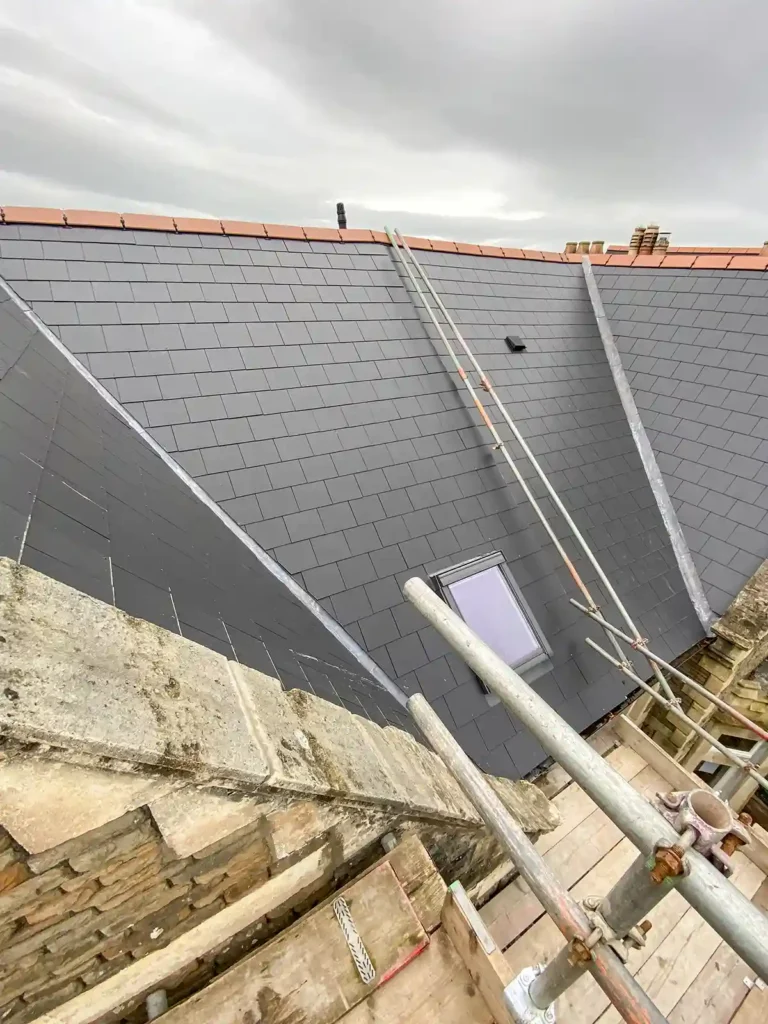
- Dormer roofs and extension roofs
- Garage and outbuilding roofs
- Shop canopies and small commercial roofs
- Larger flat roofs where long, welded sheets are an advantage
- Roofs with plenty of details such as upstands and rooflights, where prefabricated corners help
Advantages of a single-ply roof
- Few joints, and the joints that exist are welded, not simply overlapped
- Flexible, so it copes well with the movement of the building
- A neat, modern finish, often in grey
- Suitable for both new roofs and replacements
- Good for roofs that carry plant, rooflights or other details

Things to ask your roofer
- Which membrane and system will you use, and is it mechanically fixed or bonded?
- Is the deck being replaced, and how will the falls be formed?
- How will the edges, upstands and outlets be finished?
- Is the installer experienced with this particular system?
- What guarantee comes with the work, and what is covered?
Manufacturers often offer guarantees on their membranes, but the terms depend on the product and on the roof being installed to their requirements. Ask to see the guarantee in writing, and ask who is responsible if there is a problem.
Caring for a single-ply roof
A single-ply roof needs little maintenance, but it is not maintenance-free. Clear leaves and debris from the surface and outlets, keep gutters flowing, and look for lifted edges, punctures and cracked trims after storms. Avoid walking on the roof, and keep sharp objects away. A yearly inspection catches small faults while they are quick to fix.
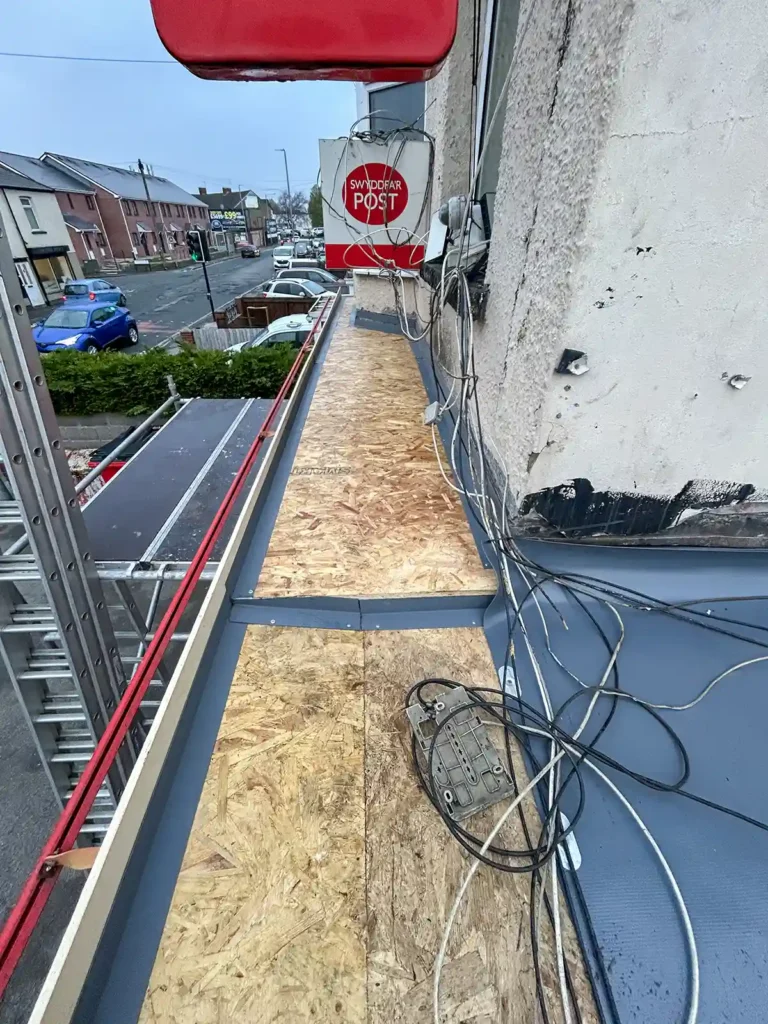
Single-ply compared with other flat roofs
Single-ply is one of several good options. EPDM rubber, GRP fibreglass and torch-on felt each suit different roofs, and the right choice depends on the shape of the roof, its use, access and budget. We have separate guides to GRP and torch-on felt roofs. For advice on your roof, see our roof replacement service and book a free survey.
Single-ply roofs and the building structure
A single-ply roof sits on a deck, so the structure beneath matters. The roofer should check the joists and deck for rot, damp and movement, and make sure the falls are enough to shed water. Most failures on any flat roof come from a poor deck or poor falls, not from the membrane itself.
On older buildings, roofs may also need extra insulation or ventilation when they are replaced. Ask your roofer to explain what the roof build-up will be, from the deck up, and why.
Mechanically fixed or adhered?
Single-ply membranes can be fixed down mechanically, with fasteners through the sheet into the deck, or bonded with adhesive, depending on the system and the roof. Large roofs in exposed places often suit mechanical fixing. Small roofs with many details are often bonded. A good installer will explain which is being used and why.
Single-ply flat roof FAQs
What is a single-ply flat roof?
It is a flat roof covered in a single factory-made membrane, usually PVC or TPO, fixed down and joined with heat-welded seams.
Is Fatra a good flat roof membrane?
Fatra is a well-known maker of PVC membranes used on many flat roofs. As with any system, the quality of the installation matters as much as the product.
Can single-ply be used on a small extension?
Yes. It suits dormers, extensions and garages, as well as larger roofs.
How long does a single-ply roof last?
It depends on the product, the installation and how it is looked after. Ask your roofer and the manufacturer’s guarantee terms.
Do you fit single-ply roofs in South Wales?
Yes. We fit single-ply, EPDM, GRP and felt flat roofs across Cardiff and 16 more towns.
Never work on a roof yourself without proper safety equipment: see the HSE guidance on working at height.
Worried about your roof?
Call now to book a free roof inspection and get a fixed price in writing.