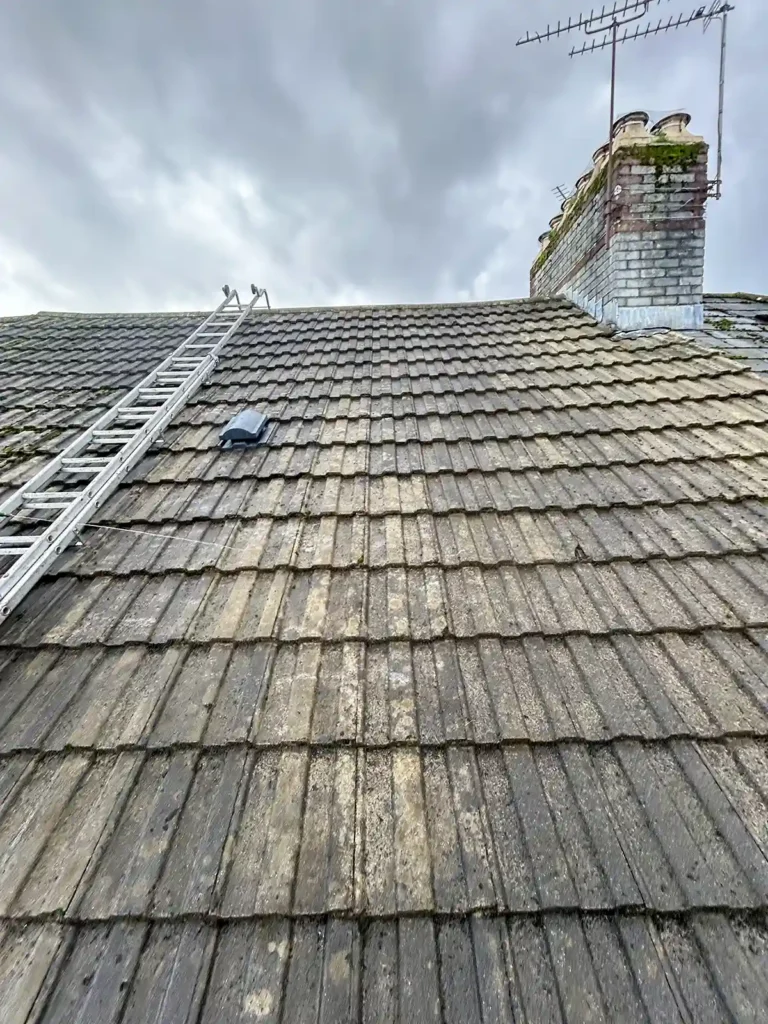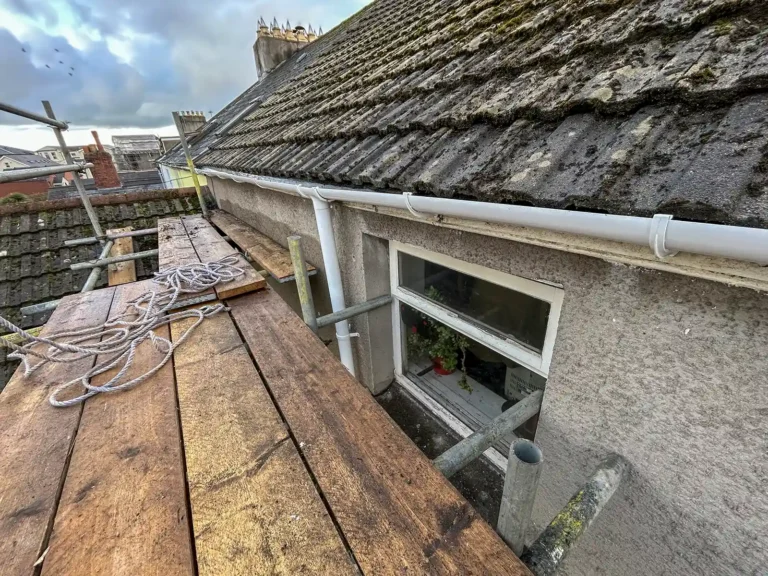
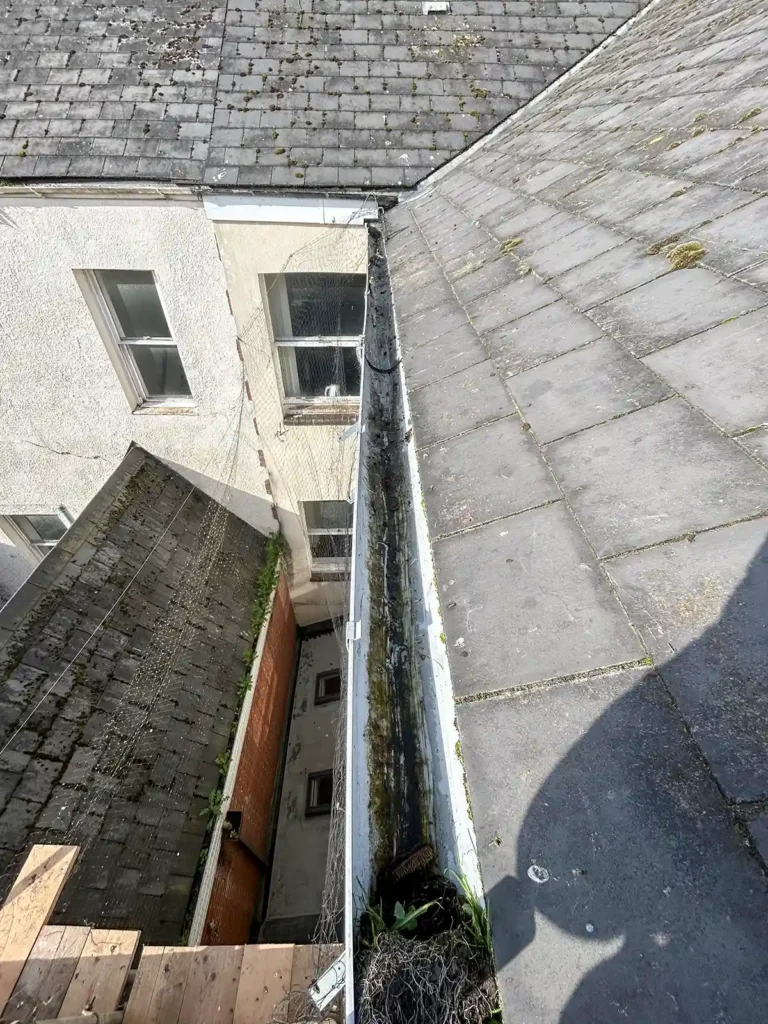
Gutters are easy to forget until water pours over the edge or through the ceiling. A little regular attention is far cheaper than the damage a blocked gutter can cause to fascias, walls and roof timbers. Regular gutter clearing is one of the simplest ways to protect your roof.
How often?
Most homes benefit from clearing gutters at least once a year, and twice if there are trees nearby. Autumn, after the leaves fall, is the most important time. Check again after storms.

A simple seasonal checklist
- Autumn: clear gutters, downpipes and valleys of leaves and moss
- Winter: after storms, look from the ground for slipped tiles or lifted flashings
- Spring: check for moss growth, cracked or damaged ridge tiles and any damp stains inside
- Summer: a good time for repairs, while the weather is dry
Check these too
- Hoppers and downpipes that overflow in heavy rain
- Gutter joints and brackets that are loose or sagging
- Fascia boards that are soft, flaking or rotten
- Valleys and box gutters between roofs, where debris collects
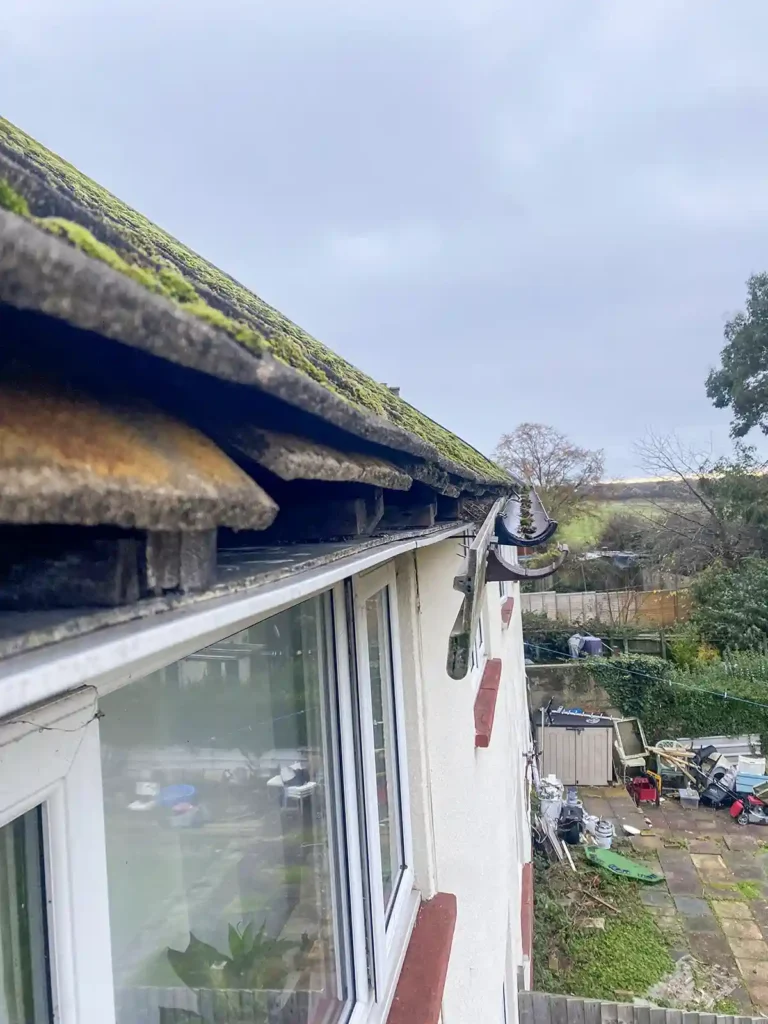
Types of gutter and what suits your home
- uPVC gutters: lightweight, low maintenance and widely used on modern roofs and rooflines
- Cast iron and cast aluminium: traditional, strong and often chosen for period homes
- Half-round, square and ogee profiles: different shapes suit different houses and flow rates
Whatever the material, gutters work only if they are fixed at a slight fall towards the downpipes, with enough brackets, sound joints and outlets that are not blocked.
Signs your gutters are failing
- Water overflowing in ordinary rain
- Green or black staining on walls below the gutter
- Sagging or pulled-away sections and loose brackets
- Leaking joints that drip or stain
- Plants growing from the gutter
- Rust, cracks or splits in the gutter
Gutters, fascias and your roof
Gutters are fixed to the fascia board, so if the fascia is rotten the gutter cannot be held properly. Overflowing gutters can also soak the fascia and soffit, and send water down the wall. Fixing gutters, fascias and soffits together often gives the best result, particularly if scaffolding is already up for roof work.
Who should clear gutters?
Clearing gutters from a ladder is one of the most common causes of falls at home. If you cannot reach them safely from the ground or a proper platform, ask a professional. A roofer can clear the gutters and downpipes, flush the outlets and check the brackets and joints, and will also look at the roof and valleys while they are up there.
A quick gutter check after heavy rain
Stand outside during or just after heavy rain and watch the gutters. If water is spilling over the edge, leaking from joints or running down the wall, note where. This helps your roofer find the problem quickly.
Safety first
Do not climb on the roof, and take care with ladders. A roofer can clear gutters and valleys, check flashings and give you a written condition report. See our roof maintenance service.
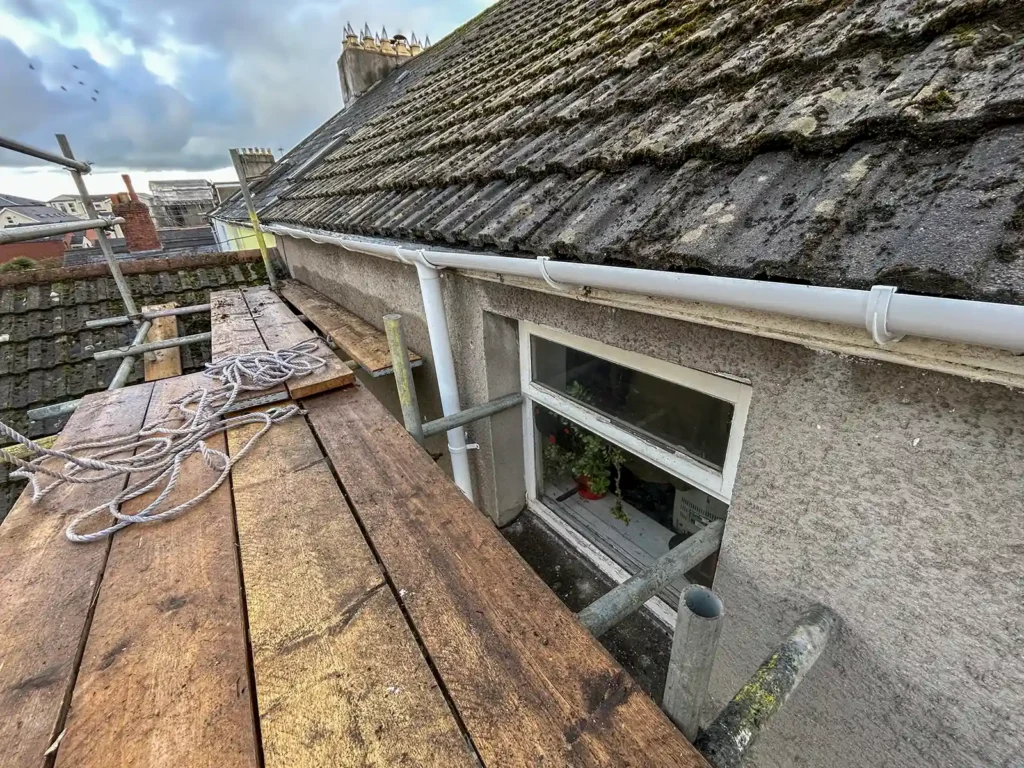
Gutter guards and other add-ons
Gutter guards and leaf screens can reduce how much debris gets in, but they do not remove the need for checks. Leaves and moss can still collect on top, and small debris can pass through. Ask your roofer whether a guard suits your roof and the trees nearby.
Downpipes and drainage
Gutters are only half the system. Downpipes must carry water away to a drain or soakaway, and blocked or cracked pipes can leave water pouring onto walls. Check the pipe joints, the shoes at the bottom and the drains when you check the gutters.
Planning gutter work
The best time to repair or renew gutters is when the weather is dry, ideally before the autumn leaves fall. Replacing gutters at the same time as fascias, soffits or roof work saves access costs and gives you a matching finish.
Gutters in winter and storms
Heavy rain, wind and frost put gutters under strain. Check them after storms for sagging and leaks, and clear any debris that has blown in. In freezing weather, blocked gutters can fill with ice and pull away from the fascia. Keeping them clear before winter reduces the risk.
Keeping a gutter record
Make a note of when your gutters were last cleared and what the roofer found. Over a few years you will see patterns, such as where they block most, which helps with planning future maintenance.
Gutter and roof maintenance FAQs
How often should gutters be cleaned?
At least once a year, and twice if you have trees nearby. Autumn is the most important time.
Why are my gutters overflowing?
Usually because they are blocked with leaves and moss, but sagging gutters, poor falls and blocked downpipes can also be the cause.
Can blocked gutters damage my roof?
Yes. Overflowing water can soak the fascia, soffit, walls and the edge of the roof, causing damp and rot.
Should I replace the gutters and fascias together?
Often, yes. The gutters are fixed to the fascia, so doing both at once while access is in place can be good value.
Do you clear gutters in Cardiff and South Wales?
Yes. Gutter and valley clearance is part of our roof maintenance visits.
More about gutter clearing
Check the latest Met Office weather warnings before heavy weather arrives, and call a roofer if your roof is damaged.
Worried about your roof?
Call now to book a free roof inspection and get a fixed price in writing.