A new roof is a big project, and knowing the steps helps you plan around it. The details change with the type of roof, but the process is usually like this. Here is how a roof replacement works, from the first survey to the final clean-up.
1. Survey and quote
The roofer inspects the roof, explains the options and gives you a fixed price in writing, including what materials will be used.
2. Scaffolding and protection
Scaffolding is put up for safe access and to protect people and property. Windows, gardens and cars are protected.
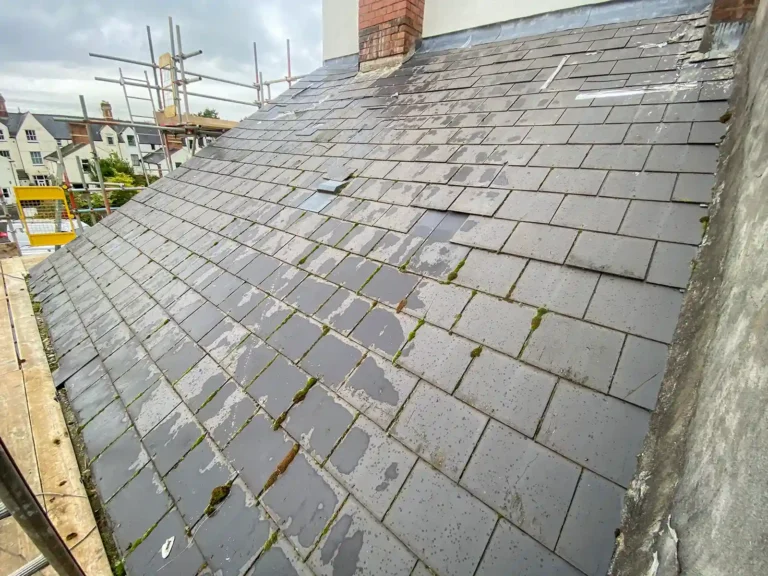
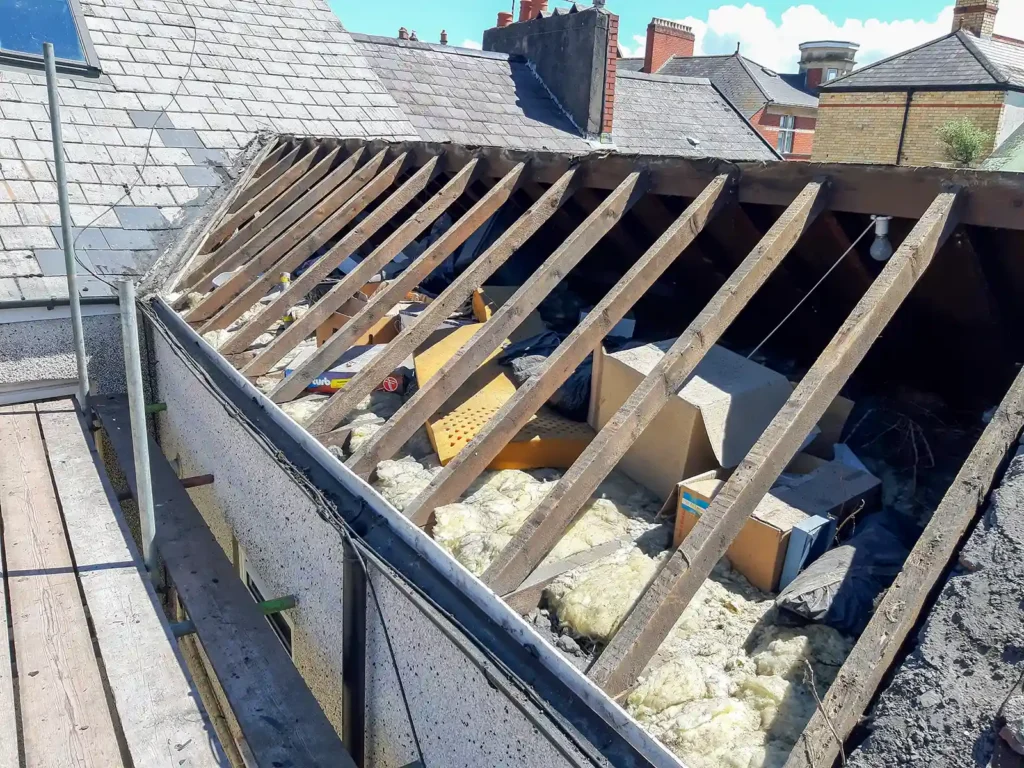
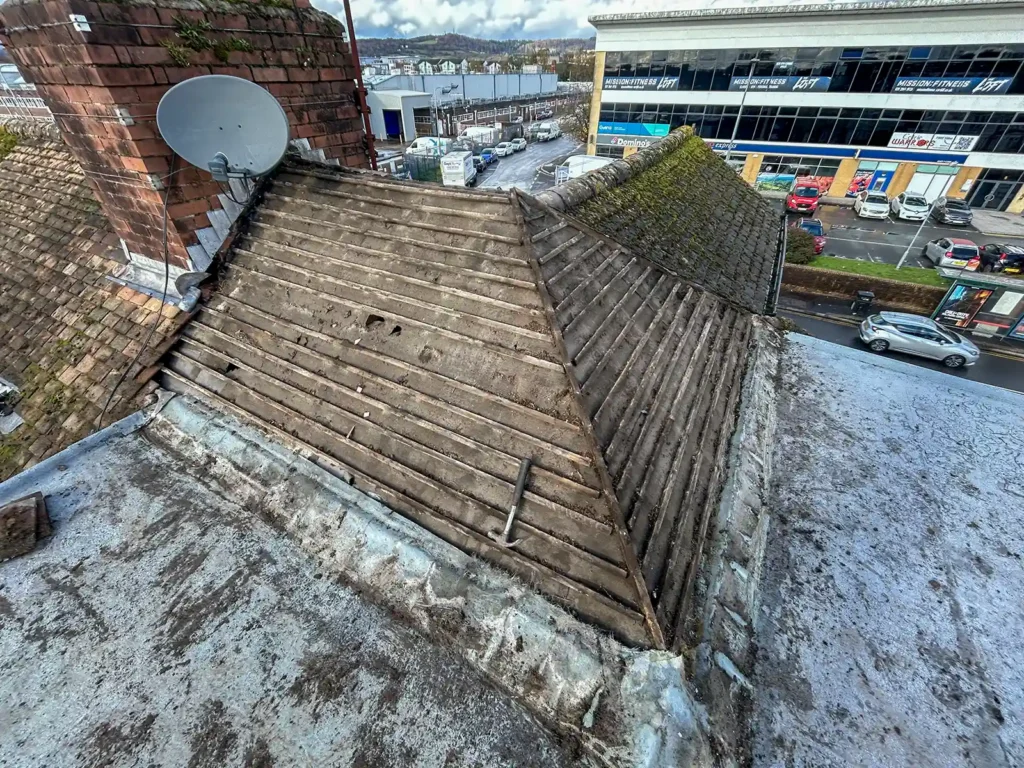
3. Stripping the old roof
The old tiles or slates and battens are removed. The roofer inspects the rafters and timbers underneath, and repairs or replaces anything that is damaged.
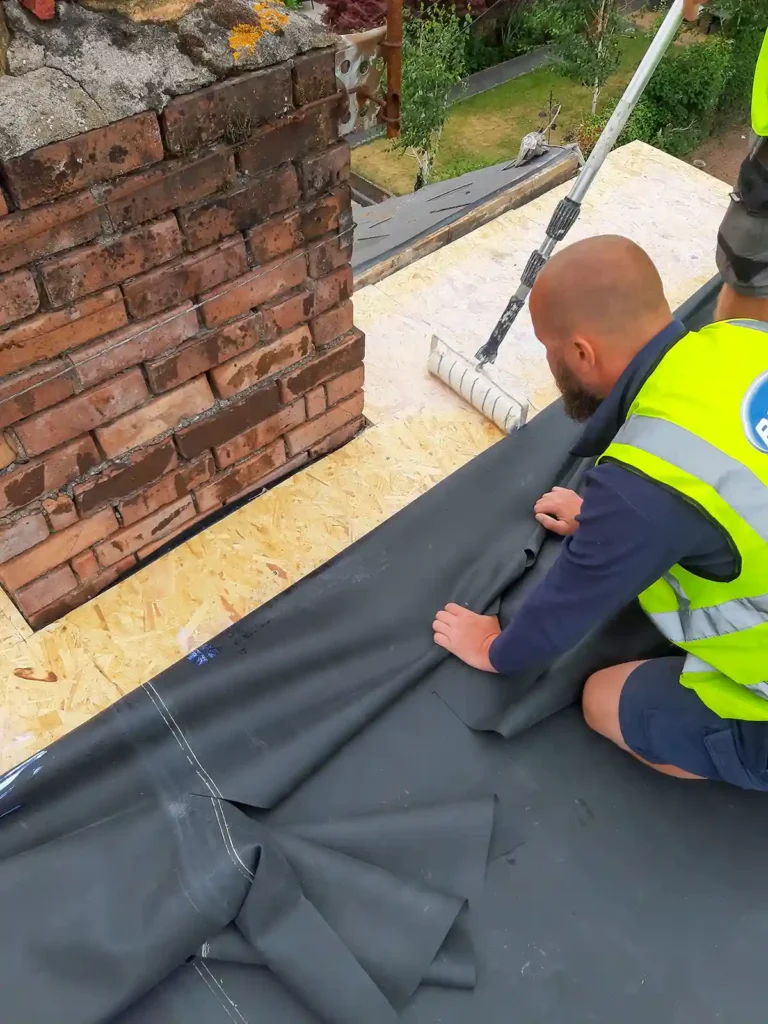
4. New membrane and battens
A breathable membrane is laid over the rafters, with new treated battens fixed at the right spacing for the tiles or slates.

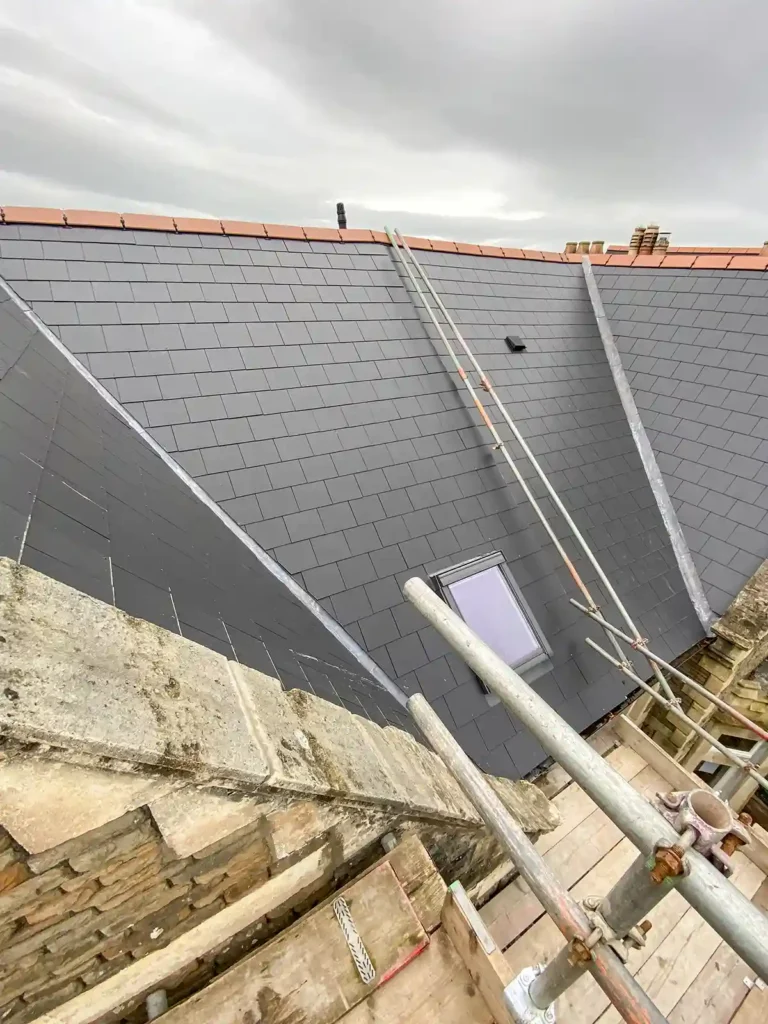
5. The new covering
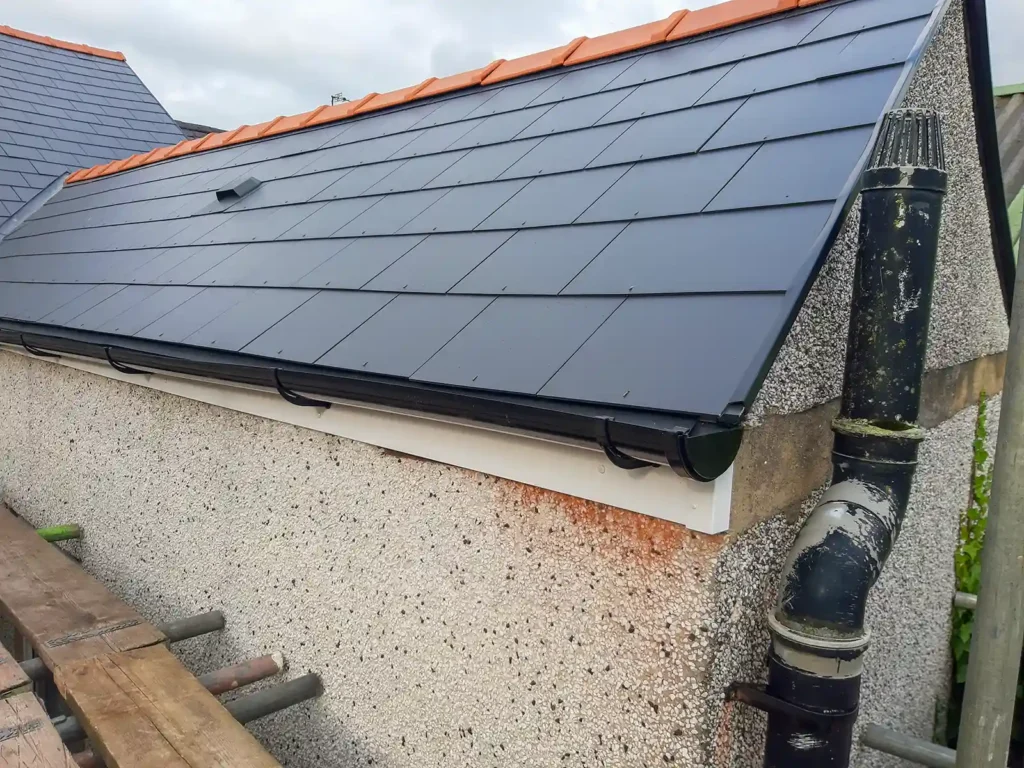
Slates or tiles are fixed, working up from the eaves, with extra fixings in exposed places.
6. Lead work, ridge and details
Valleys, flashings around chimneys and walls, the ridge and hips, and vents are fitted. This is the part that keeps a roof watertight for decades if done well.
Before the work starts: what to agree
- The covering, colour and style you have chosen
- Whether the quote includes scaffolding, ridge, flashings, vents and guttering
- The start date, how long it should take and what happens in bad weather
- Access to the house, parking and where materials will be stored
- The payment terms and the guarantee
During the work: what to expect
Expect noise, especially when the old roof is stripped, and some dust in the loft. A good roofer protects the house and garden, keeps the roof covered so it stays watertight overnight, and tells you what is happening. If they find rotten timbers or other problems once the roof is open, they should show you and agree any extra work with you in writing before going ahead.
Common surprises, and how a good roofer handles them
- Rotten rafters or battens found after stripping
- Missing or perished felt
- Damaged chimney flashings or pointing
- Poor previous repairs that need to be put right
- Extra ventilation requirements
Living at home during a roof replacement
Most people stay at home during a replacement. Move fragile items away from walls and ceilings, take down pictures, cover items in the loft and keep pets and children away from the work area.
After the roof is finished
- Walk around with the roofer and inspect the finished work
- Ask for photos of key stages, such as the new membrane and flashings
- Make sure the site is clear and the gutters free of debris
- Keep your guarantee and invoice somewhere safe
- Plan regular checks to keep the new roof in good order
7. Roofline, gutters and clean-up
Fascias, soffits and gutters can be replaced at the same time while the scaffolding is up. The site is cleared and the roof checked with you.
Ask for the guarantee in writing. See our roof replacement service for pitched and flat roofs.
Choosing the right time of year
Roof replacements take place all year round, but settled weather makes the work smoother. Spring and summer are popular, so book early. In winter, a good roofer plans carefully so the roof is never left open to the weather.
Questions to ask before you start
- Who will manage the job, and who will be on site?
- How will you keep the house watertight each night?
- What happens if you find extra problems?
- How will you protect my garden, windows and car?
- When and how do I pay?
What a roof replacement should include as standard
- New breathable membrane and treated battens
- New covering fitted to the manufacturer’s instructions
- Lead flashings, valleys and ridge or dry ridge
- Vents where the roof needs them
- Fascias, soffits and gutters if included in the quote
- Clearance of waste and a final check with you
If any of these is not included in a quote, ask why, and what it would cost to add.
A new roof is an investment in your home
A well-fitted roof protects everything beneath it, and a documented replacement, with photos, invoices and a guarantee, gives future buyers confidence. Take the time to choose the right covering and the right roofer, and keep all the paperwork together with your house records.
Roof replacement process FAQs
How long does a roof replacement take?
It depends on the size and type of roof and the weather. Your roofer should give you a realistic estimate when they quote.
Do I need to move out during a roof replacement?
Usually not, though there will be noise and some dust. Protect belongings and keep pets and children clear.
What happens if it rains during the work?
A good roofer keeps the roof covered and watertight while the job is in progress, and adjusts the plan around the weather.
What if you find rotten timber?
We show you and agree any extra work with you in writing before going ahead.
Is a roof replacement guaranteed?
Ask for the guarantee in writing, with what it covers and for how long, before the work starts.
The Planning Portal has official guidance on planning permission and building regulations for roofs.
Worried about your roof?
Call now to book a free roof inspection and get a fixed price in writing.