Strong winds and heavy rain test every roof. Some damage is obvious, but a lot of it is easy to miss until a leak appears weeks later. A safe check after a storm can save you a bigger repair. Knowing how to spot storm damage early can save you a much bigger repair.
Check from the ground first
Never climb onto the roof to look. Walk around the house and use binoculars or your phone camera zoomed in. Look for:
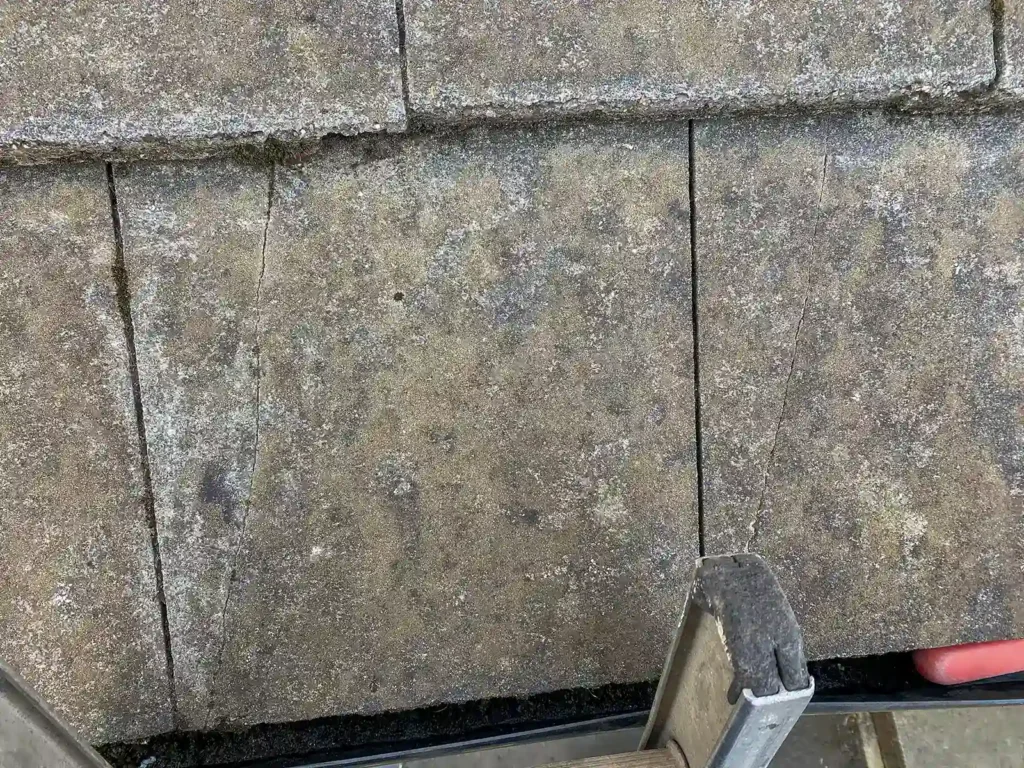
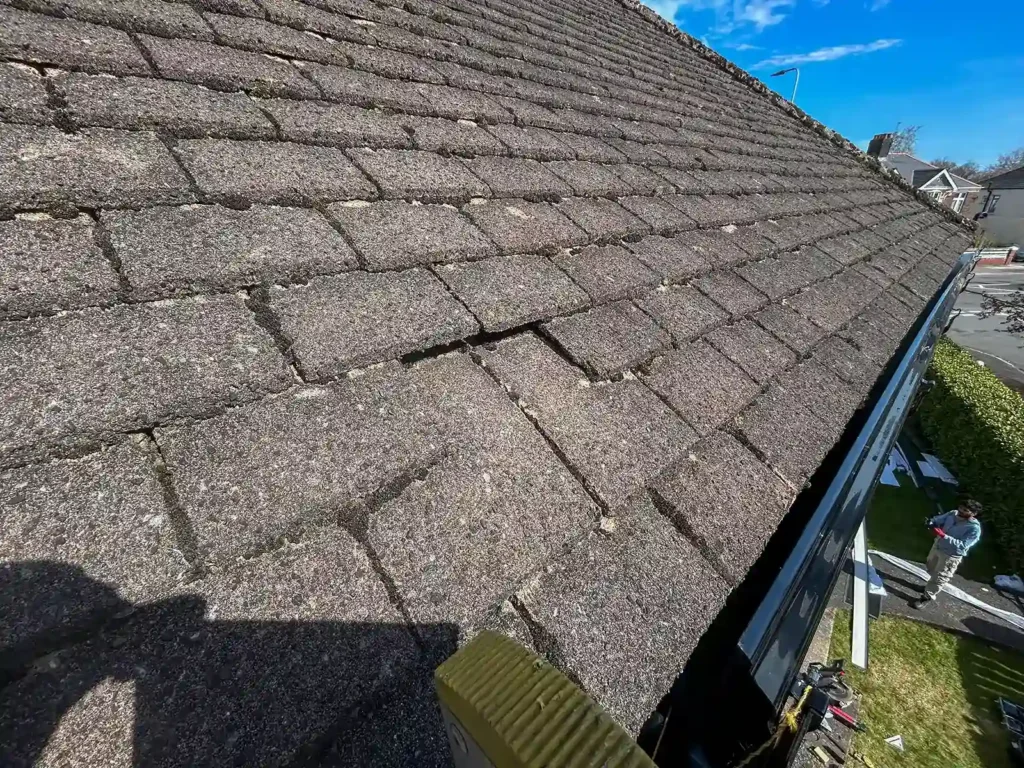
- Slipped, cracked or missing tiles and slates, or pieces on the ground
- Ridge tiles that have shifted or gone
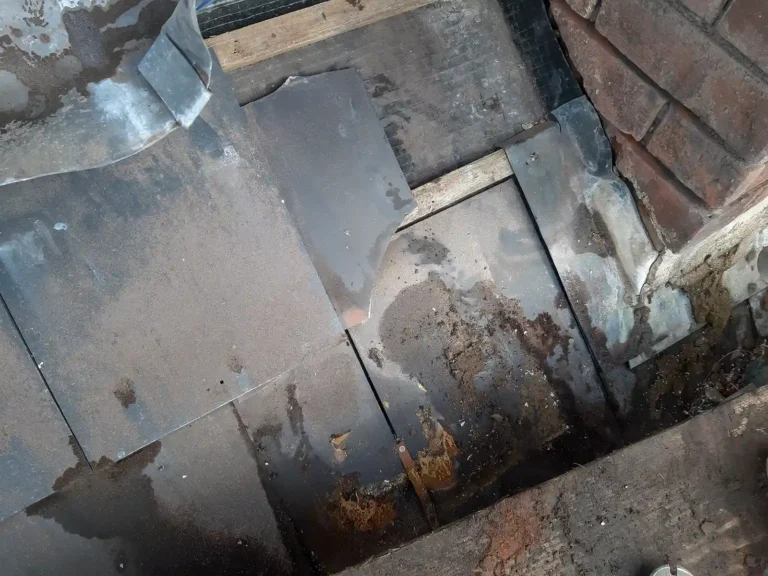
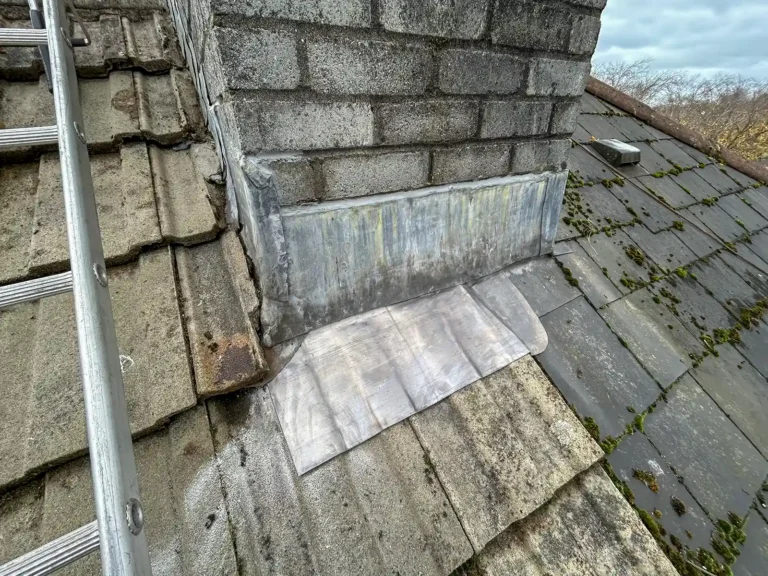
- Lifted or bent lead flashing around chimneys and walls
- Damaged chimney pots, cowls or aerials and satellite dishes
- Gutters that have pulled away or are full of debris
- Fascia or bargeboards that have come loose
Check inside too
Go into the loft with a torch and look for daylight, damp patches, drips or wet insulation. Check ceilings and the tops of walls for new stains, and look again after the next heavy rain.
What to do if you find damage
- Take clear photos and note the date, which helps with any insurance claim
- Do not attempt repairs from a ladder in wind or rain
- Ask a roofer to inspect, and to make the roof watertight if it is leaking
- Keep any invoices and written reports
Why storm damage is often missed
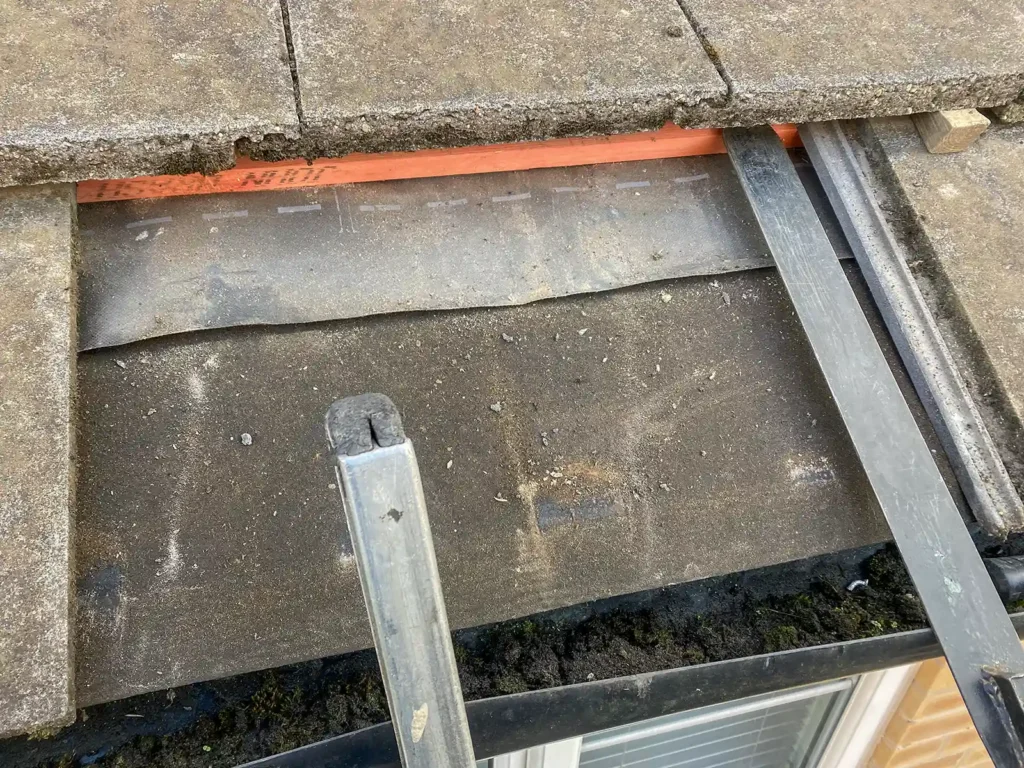
After a storm, many roofs look fine from the street. But a cracked tile, a shifted ridge piece or a lifted flashing can be hard to spot from the ground. Water may only enter in the next heavy rain, so the first sign could be a stain weeks later. A professional inspection after a severe storm catches damage before it causes a leak.
Storm damage on different parts of the roof
- Ridge and hips: shifted or missing ridge tiles and cracked mortar
- Verges and edges: loose or lifted verge tiles and bargeboards
- Chimneys: loose pots, cowls and cracked brickwork
- Flashings: lead lifted or torn away by the wind
- Gutters and fascia: pulled away or blocked with debris
- Flat roofs: lifted edges, torn felt or membrane and displaced trims
What to do about debris
Broken tiles or slates on the ground or in the gutters can be dangerous. Keep children and pets away, and wear gloves if you need to move pieces. Do not climb onto the roof or lean ladders against damaged gutters.
Keeping a record
Photograph anything you find, with the date, and keep all invoices and written reports from the roofer. If you need to claim on your buildings insurance, this evidence helps. Check your own policy and speak to your insurer for advice.
Reducing storm damage in future
- Have the roof checked once a year and after severe storms
- Fix loose tiles, ridge and flashings promptly
- Keep trees trimmed back from the roof
- Make sure gutters are firmly fixed and clear
Get it fixed before the next storm
A loose tile or ridge can turn into a bigger problem in the next gale. If water is coming in, see our emergency roof repairs, or book an inspection through our roof repairs service.
Temporary repairs after a storm
If your roof is damaged and the weather is still bad, a roofer can often make a temporary repair to stop water getting in, such as re-securing tiles, covering a damaged area or sealing a flashing. This protects your home until a permanent repair can be done properly in settled weather.
After the storm: a checklist
- Walk around the house and check the roof, chimney, gutters and fascias from the ground
- Look in the loft and at ceilings for damp
- Photograph any damage
- Clear any debris from the ground safely
- Book an inspection, and a repair if needed
Storm damage and older roofs
Older roofs are more likely to suffer in a storm, because fixings have weakened, mortar has cracked and flashings have lifted. If your roof is old, a regular check and repairs can reduce the risk of storm damage. Replacing a worn out covering may be wiser than repeated repairs after each storm.
Checking neighbours’ roofs and shared walls
If you live in a terrace or semi, shared chimneys, party walls and gutters can be affected too. Let your neighbours know if you notice damage, because a problem on one roof can affect the next.
Storm damage FAQs
How do I check for storm damage safely?
Walk around the house and look at the roof with binoculars or a zoomed phone camera. Never climb onto the roof.
What should I do if I find storm damage?
Take photos, limit damage inside, and call a roofer to inspect and, if needed, make the roof watertight.
Will my insurance cover storm damage?
Often, for sudden damage, but policies differ. Check your policy and contact your insurer.
Can you repair storm damage quickly?
Yes. We aim to attend leaks the same day, subject to availability, and guarantee to inspect the next day.
Do you cover storm damage across South Wales?
Yes. We carry out storm damage repairs across Cardiff and 16 more towns in South Wales.
Check the latest Met Office weather warnings before heavy weather arrives, and call a roofer if your roof is damaged.
Worried about your roof?
Call now to book a free roof inspection and get a fixed price in writing.