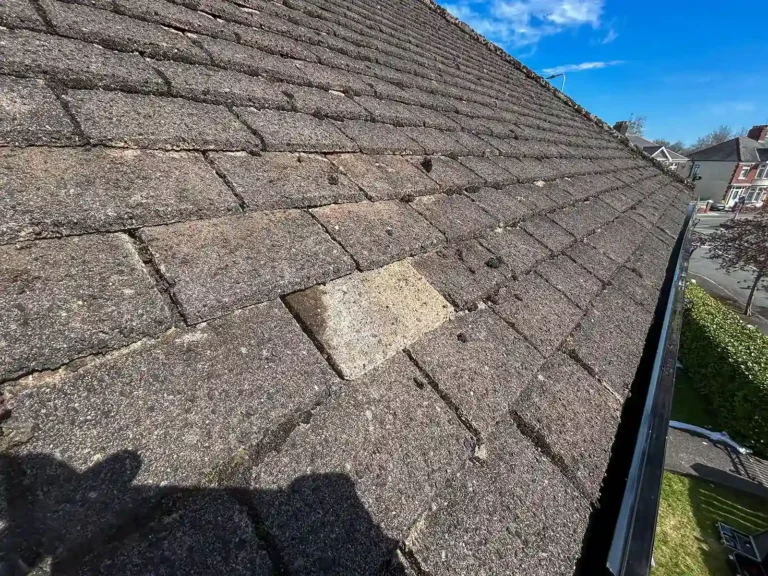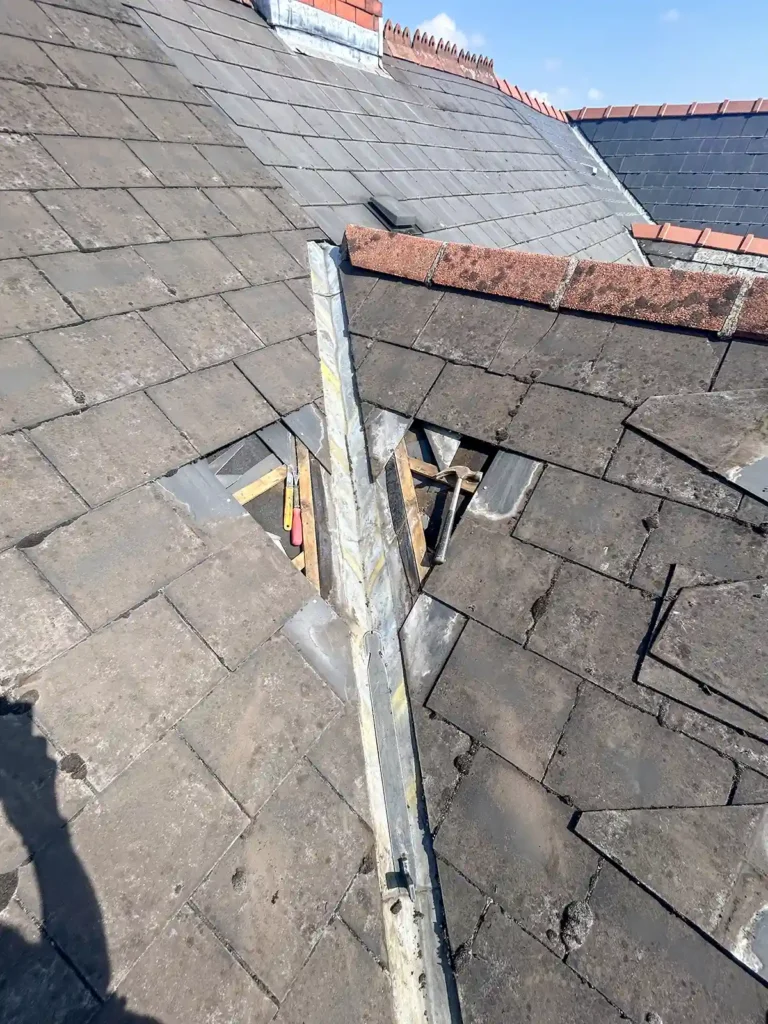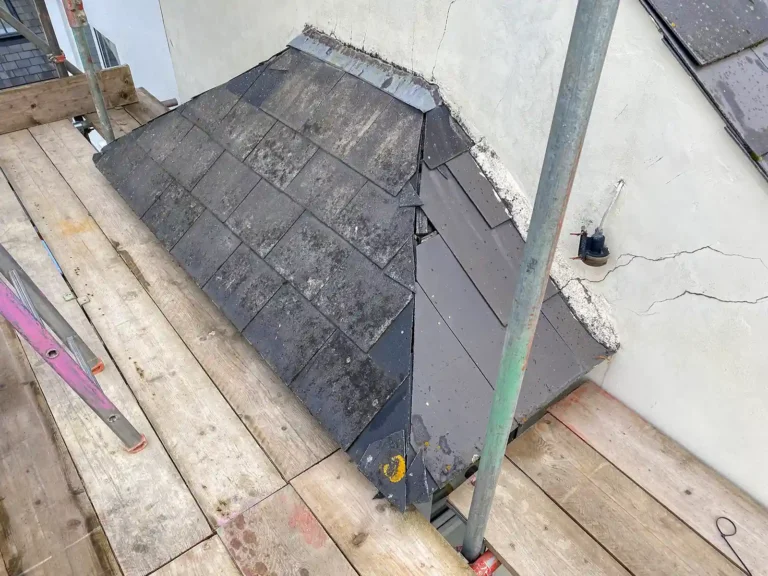

The ridge is the line along the top of your roof, and it takes some of the worst weather. How it is fixed makes a big difference to how long it lasts. This guide compares a dry ridge with a traditional mortar ridge.
Mortar ridge
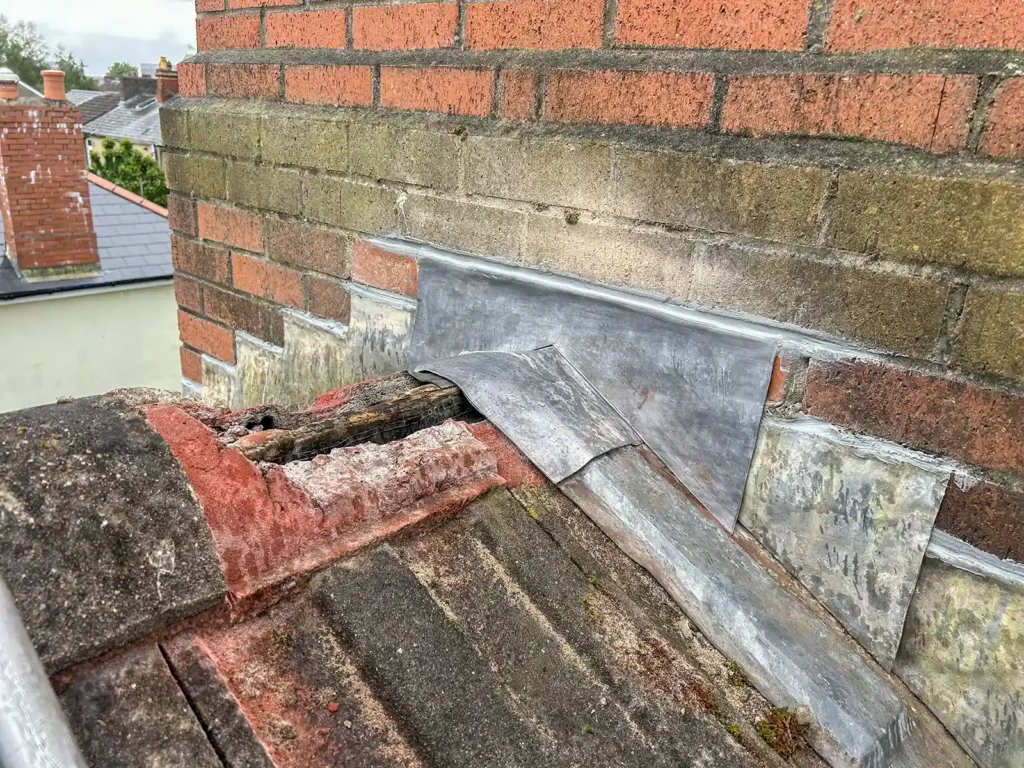
Traditionally, ridge tiles are bedded on mortar. It looks traditional and is still a good choice when it is well done. Over time, mortar can crack and fall out, especially in exposed places, and then ridge tiles can loosen. Re-pointing or re-bedding is a common repair.
Dry ridge
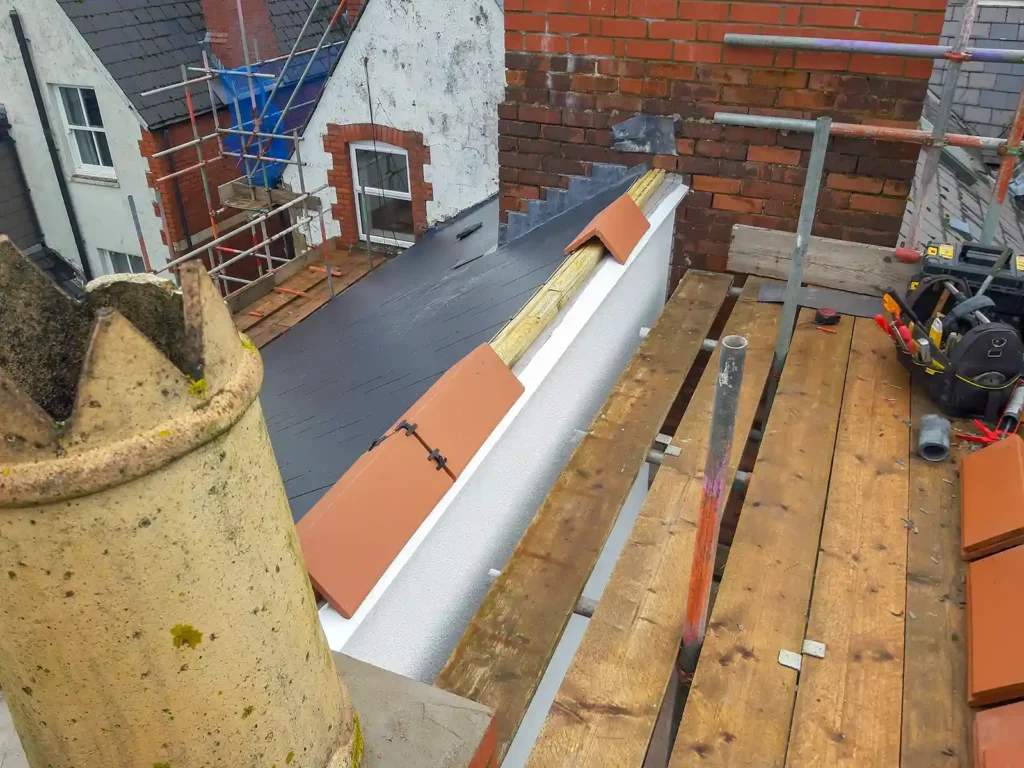
A dry ridge system fixes ridge tiles mechanically using clips, screws and a vented ridge batten. There is no mortar to crack, and the system lets air move through the roof space, which helps reduce condensation.
Which is better?
- Dry ridge is quicker to maintain and has less mortar to fail
- Mortar ridge suits some period roofs where a traditional look is wanted
- A loose or damaged ridge should never be left, because wind can strip the tiles
How a dry ridge system is fitted
A dry ridge system starts with a ridge batten set along the top of the roof. Ridge tiles are then fixed with clips, screws and ridge units rather than being bedded in mortar. Vented sections allow air movement. Because the fixings are mechanical, the ridge is held securely even if the roof moves slightly.
Signs a mortar ridge needs attention
- Cracked or crumbling mortar
- Mortar pieces on the ground or in the gutters
- Ridge tiles that have shifted or rock when touched
- Gaps along the ridge where daylight or water can get in
- Moss or plants growing from the ridge
When to repair and when to replace the ridge
If only a few ridge tiles are loose, re-bedding them may be enough. If the mortar has failed along the whole ridge or the ridge board is rotten, a full renewal, often with a dry ridge system, gives a longer lasting fix. Your roofer should explain the options and price each.
Hips, verges and other edges
The same choice applies to hip tiles and verges. Dry verge systems fix the edge of the roof mechanically, without mortar, and help protect the roof against wind. They are often fitted along with dry ridge on a new roof.
Why ridge care matters
The ridge is the highest and most exposed part of the roof. If ridge tiles are lost in a storm, water can enter at the top of the roof and the damage spreads quickly. Regular checks and prompt repairs are the best protection.
What to check
Look from the ground for ridge tiles that have shifted, gaps, or mortar on the ground or in your gutter. If you see any, ask a roofer to inspect it. See our roof repairs page.
Ridge tiles and wind
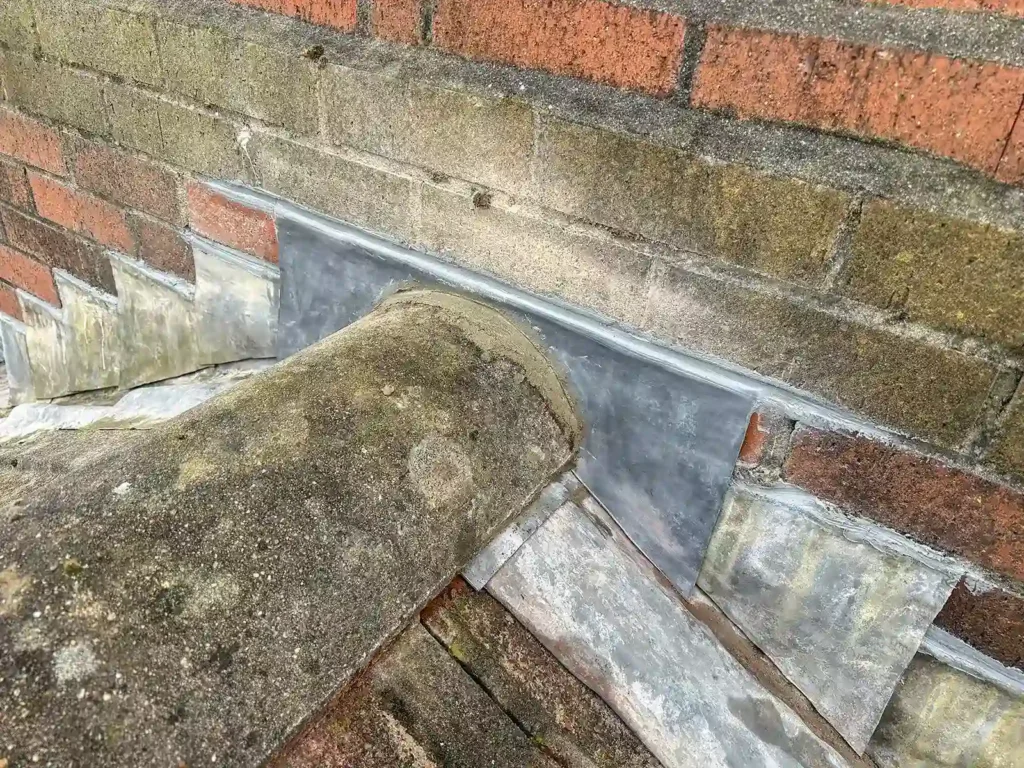
Wind is the main enemy of ridge tiles. Every gust pulls at the ridge, and over time it can loosen mortar and break the bond. In exposed areas, ridge systems with mechanical fixings give extra security. If you live in a windy spot, ask your roofer about dry ridge or additional fixings.
Planning ridge work
Ridge repair or replacement is often done as part of wider roof work, because the same access is needed. If you are having a re-roof, the ridge should be replaced with it. If you are having repairs, ask the roofer to check the whole ridge and not only the visible fault.
Questions to ask your roofer about the ridge
- Is the existing ridge board sound?
- Will you use mortar or a dry ridge system, and why?
- What fixings and vents are included in the price?
- How will the ridge be finished at the hips and verges?
Ridge repairs and the rest of the roof
When ridge tiles fail, it is worth checking what else the storm or age has affected. Damaged ridge tiles often go together with loose verge tiles, lifted flashings and slipped tiles nearby. A complete inspection means the whole top of the roof is secure, not just the one tile you can see.
Maintaining a new ridge
A dry ridge system needs less attention than mortar, but it should still be checked once a year. Look for movement, cracked tiles and blocked vents, and keep the roof clear of moss.
Ridge tile FAQs
What is a dry ridge?
A dry ridge fixes ridge tiles with clips and screws instead of mortar, and allows air to move through the roof space.
Is dry ridge better than mortar?
Dry ridge has no mortar to crack, so it needs less maintenance. Mortar ridge is traditional and still works well when properly done.
Can I replace a mortar ridge with dry ridge?
Usually, yes. Your roofer can renew the ridge with a dry system when repairing or replacing the roof.
How do I know if ridge tiles are loose?
Look for gaps, shifted tiles, cracked mortar and mortar pieces in the gutters or on the ground.
Do you repair ridge tiles in Cardiff?
Yes. Ridge tile repair, re-bedding and dry ridge are part of our roof repairs across Cardiff and South Wales.
Never work on a roof yourself without proper safety equipment: see the HSE guidance on working at height.
Worried about your roof?
Call now to book a free roof inspection and get a fixed price in writing.